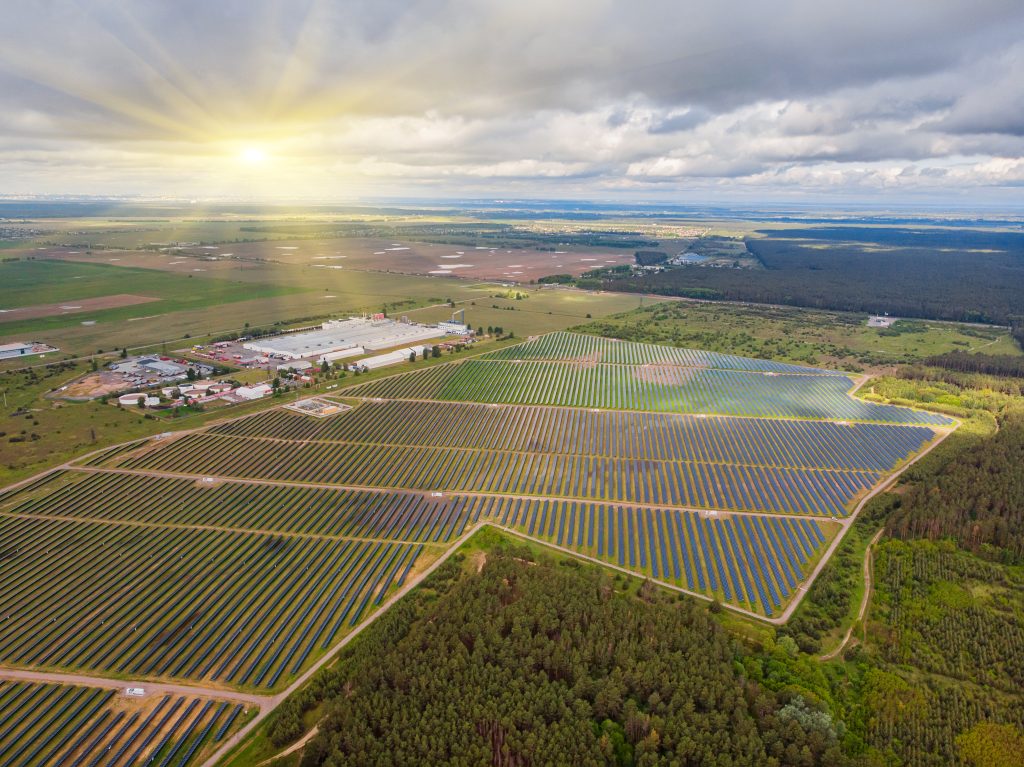
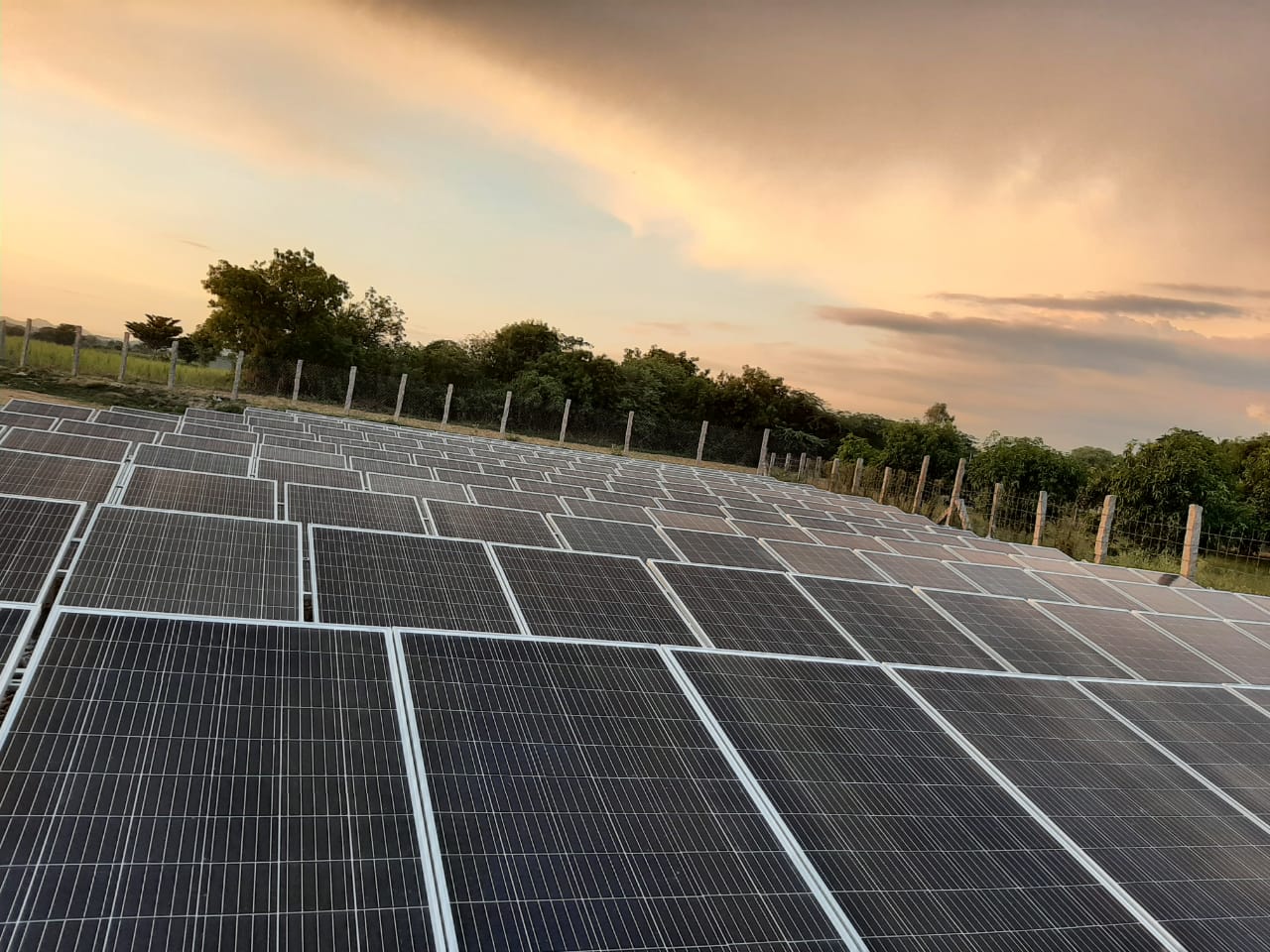
It is a well-recognized fact that the layout and design of a solar energy project must balance functionality with efficiency, and in ground mounting systems, the placement and orientation of panels directly impact energy yield and long-term performance.
Ground mounting projects involve installing solar panels on structures anchored to the ground, rather than rooftops. These systems are ideal for large-scale solar farms or situations where rooftop space is limited or unsuitable. They offer flexibility in panel placement and orientation, potentially leading to higher energy yields compared to rooftop systems.
Overview
Ground mounting solar projects involve installing photovoltaic (PV) systems directly on open land using mounting structures that support solar panels. These systems are commonly used in utility-scale and large commercial projects, where rooftop space is insufficient or unavailable. By leveraging unused or underutilized land, ground-mounted systems can generate significant energy output while offering flexibility in design, orientation, and maintenance access.
These projects play a crucial role in advancing renewable energy goals, providing scalable and sustainable solutions for clean power generation.
Challenge
Land Acquisition & Permitting
Difficulty in securing suitable land due to ownership, zoning laws, or environmental restrictions.
Lengthy permitting processes, especially in ecologically sensitive or agricultural zones.
Soil & Topography Constraints
Uneven terrain or unstable soil conditions may require advanced foundation designs, increasing cost.
Drainage and erosion control must be considered in sloped or flood-prone areas.
Grid Connectivity
Distance from transmission infrastructure can lead to high interconnection costs.
Delays due to utility approvals and capacity limitations in the grid.
Environmental & Social Impact
Potential disruption to natural habitats, local ecosystems, and community concerns.
Land-use conflicts, especially in densely populated or agricultural areas.
Capital Investment
High initial setup costs, including civil work and site preparation.
Requires strong financial modeling and investor confidence.